

16 Jan Rethinking ultra-processed foods: Science, leadership and our shared responsibility
Some excellent reflections by Yolande Schulz, Vice President at SAAFoST, an FMCG industry leader and food scientist, as published on LinkedIn....
More results...
Some excellent reflections by Yolande Schulz, Vice President at SAAFoST, an FMCG industry leader and food scientist, as published on LinkedIn....
Policymakers have proposed bold interventions: warning labels, marketing restrictions, taxes, even outright bans near schools. But how much of this urgency is based on solid evidence?
Here's some food for thought from Jessica Wilson, a California-based registered dietitian fight back against the mounting war on ultra-processed foods (UPFs)....
Criticisms of so-called "ultra-processed" foods are largely missing the reason why food is processed in the first place: offering shelf-stable nutritional value at an affordable price, writes Megan Kastner, policy manager for product policy at the US Consumer Brands Association. The misconception that fewer ingredients means healthier food is scientifically incorrect and disregards the population with food sensitivities, Kastner adds.
“The debate is polarised and nuance gets lost” - IFBA chief Rocco Renaldi sets out food, drinks giants' case on UPFs. The International Food and Beverage Alliance (IFBA) represents some of the world’s largest food and drinks makers....
Just Food’s US columnist Victor Martino sets out why he believes there will be a paradigm shift in the approach to healthier foods....
This op-ed penned by David Chavern, president and CEO the Consumer Brands Association, the trade association for America’s $2.1-trillion food, beverage and consumer products industry, discusses the glaring problems surrounding the term "ultra-processed" and shares his perspective on the importance of food processing....
The term Ultra-Processed Food (UPF) has moved mainstream into the consumer mindset, for better and worse. Expert SA food scientist and consultant, Nigel Sunley, has penned this article for SAAFoST’s Food Advisory Consumer Service, outlining the concept and its inherent scientific weaknesses.
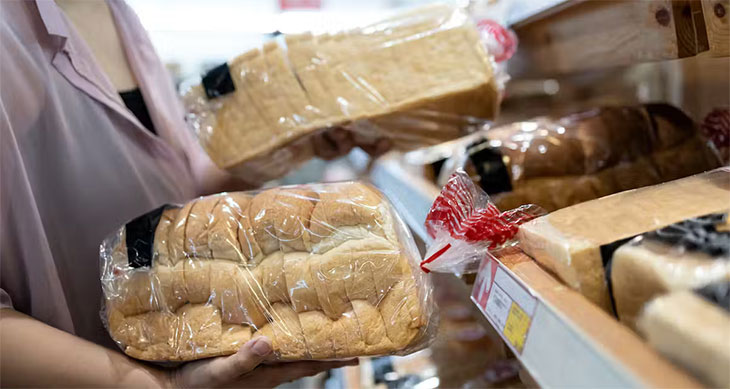
Modern bread is a far cry from the bread of the past and is now widely considered an ultra-processed food. But, this doesn’t necessarily mean it’s bad for us.
Reformulation strategies at leading food companies typically involve reducing salt, fat, and sugar. A more effective approach, claims famed pediatric endocrinologist, Dr Robert Lustig, is informed by three core principles underpinning metabolic health: protect the liver, feed the gut, support the brain.
The word “processed” has become something of a slur. Say “processed food” and most of us picture unhealthy, cheap junk. But this perspective is short-sighted....
In countries such as the UK, US and Canada, ultra-processed foods now account for 50% or more of calories consumed. This is concerning, given that these foods have been linked to a number of different health conditions, including a greater risk of obesity and various chronic diseases such as cardiovascular disease and dementia.
The food industry is determined to sell us the message that vegan products are intrinsically healthy and wholesome....[An interesting opinion piece, Ed.]
The health toll being wrought by the Western diet and ultra-processed food is under the spotlight in this Dec 2021 issue of Newsweek. It's a great read...
The term “ultra-processed foods” – or UPF – is known to very few consumers. But that will change over the next five or so years. And one of the biggest drivers of that change will be growing media attention to published science.
Many studies have already found an association between junk foods and weight gain, but this link has never been investigated with a randomised controlled trial (RCT), the gold standard of clinical studies.
In the wake of the obesity pandemic, the concept and demonisation of "ultra-processed foods" has moved into the popular - and academic/professional - mindset. Here one of SA's leading food scientists, Nigel Sunley unpicks this thorny topic in an article based on a presentation he made at the SAAFoST Congress, Cape Town, in early September.