



02 Feb 2026 Uncovering some global trends in dairy
As the dairy sector enters 2026, shifting consumer priorities around health, sustainability and value are reshaping how products are formulated, positioned and brought to market.….
Why nostalgia is the new indulgence in dairy
This LinkedIn post from Synercore, ingredient and NPD specialists in SA, notes that in a world that often feels fast, complex and demanding, consumers are craving something simple: the comfort of familiar flavours.
Globally, 44% of consumers say traditional and nostalgic flavours are the biggest influence on their food and beverage choices — a powerful signal that childhood favourites still hold emotional and commercial value.
But today’s nostalgia doesn’t mean going backwards. It means re-imagining the classics, meeting the growing appetite for flavours that feel both comforting and exciting:
🧋 Chocolate, caramel and vanilla are being elevated through artisanal techniques and unexpected pairings like salted caramel crunch or chocolate-covered strawberry.
🧋Brown and nut-inspired notes such as hazelnut and macadamia are showing strong growth, bringing warmth, depth and indulgence.
🧋Texture matters — creamy, crunchy and layered experiences are becoming just as important as flavour.
“Consumers want the emotional safety of what they know, paired with something new. That’s where nostalgic dairy truly shines: familiar flavours, refined into premium experiences,” notes Synercore.
IFF unveils 2026 Dairy Trends Report: ‘considered consumption’ and ‘wholistic health’
IFF a global leader in food ingredients, health and biosciences — published its Dairy Trends Report 2026 late last year, offering insights into the evolving landscape of dairy and alternative dairy.
The report identifies five key trends that will drive market changes and product innovation, with “considered consumption” emerging as the dominant theme.
The 2026 report highlights a major shift in consumer priorities, redefining ‘value’ — previously centered on price — into a broader, more nuanced concept. Consumers are moving from basic wellness to holistic well-being, from simple sustainability to proactive regeneration, and from convenience to meaningful indulgence. This transformation is reflected in five interconnected trends shaping the future of the dairy industry:
1. Considered consumption
Consumers are increasingly spending more intentionally, guided by purpose rather than impulse. They seek products that deliver multifunctional benefits and align with their social and environmental values. Dairy is especially well suited to meet these expectations. For example, approximately 56 percent of Chinese consumers see yogurt as a gut-health aid, and 32 percent of Brazilians use it as a replacement for protein supplements.
2. Wholistic health
Consumers are adopting a 360-degree view of health, one that includes managing energy, sleep, stress and mood. This has made functional benefits, such as added protein and probiotics, a baseline expectation in dairy products.
With the rise of weight-loss drugs such as GLP-1s, dairy has a unique opportunity to provide compact, nutrient-dense options. High-protein yogurts and cottage cheese can help users manage reduced appetites and support satiety.
3. Joyful harmony
Consumers today are seeking “emotional nourishment” through indulgence, play and nostalgia. They are no longer willing to choose between health and happiness — they expect dairy products to deliver both. Cheese, in particular, is emerging as an indulgent, premium snack and mood lifter.
4. Regenerative resilience
The industry standard is shifting from sustainability (minimising harm) to regeneration (actively restoring ecosystems). For example, in the US, 30% of Gen Z cheese consumers seek out sustainably produced options.
As global logistics remain fragile and demand for transparency grows, more brands are turning to local and regional farms to secure their supply chains and reduce their carbon footprint. In the UK, 37% of yogurt consumers want to know more about the origins of the ingredients, highlighting the importance of provenance and traceability.
5. Human + AI
As artificial intelligence (AI) becomes more integrated into product development, the dairy industry is navigating a delicate balance between technological efficiency and human authenticity. While businesses embrace AI for innovation and optimisation, many consumers remain cautious.
Crucially, consumers value not only the taste and functionality of products, but also the craft and care behind them. By integrating AI discreetly and ethically, brands can reinforce a sense of intimacy, trust, and expertise.
The report leverages IFF’s proprietary Panoptic Framework, a trend intelligence tool that analyzes and anticipates future shifts in consumer preferences across three distinct horizons: short-, mid-, and long-term drivers.
The transforming fortunes of cottage cheese
Cottage cheese has transitioned from a perennial supermarket staple to a dynamic category capturing renewed consumer interest. Once considered outdated, today’s cottage cheese appeals to health-focused shoppers for its natural composition and high protein content.
Cottage cheese is experiencing a massive, social media-driven resurgence, with sales up over 50% in five years, as consumers seek high-protein, versatile, and nutrient-dense foods. Popularised on TikTok and Instagram, it is no longer just a diet food but a viral ingredient for savory dishes, smoothies, and desserts.
Key details regarding the resurgence of cottage cheese:
- Social media influence: TikTok and Instagram trends have transformed the product from a 1970s staple into a trendy, must-have, with viral recipes including ice cream, cheesecake, and savory dips.
- Nutritional benefits: It is highly valued for being high in protein, low in fat, and rich in nutrients like vitamin B12, phosphorus, and selenium.
- Sales surge: In the US, sales increased over 50% in the last five years, with notable, intense spikes in early 2024 and 2025.
- Industry response: The demand is so high that manufacturers are struggling to keep up, leading to shortages and plans to increase production capacity.
- Key consumer drivers: Gen Z and Millennials are leading the trend, viewing it as a functional food that fits a healthy, active, and, for many, a “flexitarian” lifestyle.
Brands like Good Culture are often cited as being leaders in the resurgence, with their products frequently appearing in social media content.
The product’s adaptability in a wide range of culinary uses — from traditional toppings to creative recipe applications — has contributed to strong volume and sales growth, outstripping supply in key markets and creating fresh opportunities for both emerging and established brands.
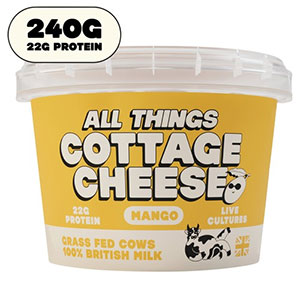
How the ‘Dyson of dairy’ reinvented butter and why cottage cheese is next
Born from a viral video and built like a modern CPG, All Things Dairy’s is using social‑first brand building, clean‑label processing and protein‑aligned innovation to move the needle in a commoditised category….
DairyReporter: Read the full story here
Cottage cheese’s transformation
Cottage cheese has emerged as one of the most significant and surprising growth stories in the global dairy category, blending health-driven consumer behaviour with a compelling revival of a once-neglected product.
In the US, viral recipes and functional messaging have catalysed over $1.75-billion in sales annually, with brands such as Good Culture and Daisy leading a strategic repositioning of cottage cheese as both a lifestyle product and a culinary staple. In the UK, signs of similar momentum are beginning to take shape.
DairyMail: Read the full story here
How cottage cheese turned from bland to brand
Meet the new wave of cottage cheese brands disrupting the dairy aisle…
DairyReporter: Read the full story here