


08 Jul 2026 No whey out: global protein mania sends prices soaring 400%
South Africa is not alone in facing soaring ingredient costs — the world’s most important dairy protein has entered crisis territory…
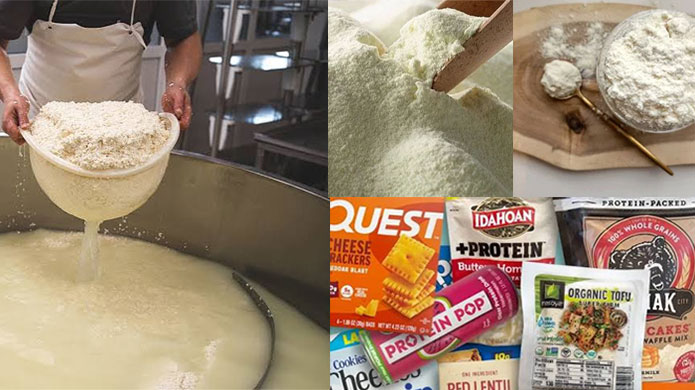
Whey protein concentrate (WPC) and whey protein isolate (WPI), once niche sports‑nutrition ingredients, have become mass‑market formulation tools. And demand has exploded so fast that global supply simply cannot keep up.
The result? A price shock unlike anything the category has seen. WPC has jumped from $2.50/lb to $13/lb in just two years — a 400% increase — while WPI has climbed from $3.50/lb to $14/lb . Caseinates and other dairy proteins have followed the same trajectory.
For manufacturers, especially those fortifying mainstream FMCG products, this is more than a cost headache — it’s a threat to innovation pipelines and NPD calendars.
Protein mania goes mainstream
Whey’s rise from bodybuilding supplement to everyday ingredient has been dramatic. Protein is no longer a niche sports ingredient; it’s become a mass‑market food formulation tool.
Consumers are driving the frenzy:
- Satiety + weight management, amplified by GLP‑1 drug users seeking higher protein intake.
- Healthy ageing, with Baby Boomers using protein to preserve muscle mass.
- Dietary guidelines, with the 2025–2030 US recommendations calling for more protein across the board.
- Gen Z’s embrace of dairy‑science products, especially whey.
This demand has spilled into every aisle: protein Pop‑Tarts, protein noodles, protein popcorn, protein sodas, protein mac‑and‑cheese, protein waters, protein ice cream — the list grows weekly.
Supply can’t keep up — and dairy herds are shrinking
The dairy industry did anticipate growth and invested heavily, adding whey and cheese processing capacity equivalent to 4% of the milk supply in recent years. But demand grew even faster.
Compounding the problem is a structural shift in US dairy herds:
- The beef herd is at its smallest in 75 years, pushing farmers to raise beef cattle instead of dairy cows.
- Replacement heifers — the next generation of milk cows — have fallen to their lowest level since 1978.
Fewer cows means less milk, less cheese, and ultimately less whey.
Why manufacturers can’t simply switch proteins
Whey’s dominance is rooted in science. It delivers:
- A perfect PDCAAS score of 1.0 (same as eggs and soy isolates).
- All eight essential amino acids.
- Superior digestibility and functionality.
Plant proteins are stepping in — Ingredion reports strong demand for pea and rice proteins and increased dairy‑plant blends to stretch formulations — but they cannot fully replace whey’s performance.
What this means for local manufacturers
Local manufacturers relying on imported whey face:
- Higher input costs
- Tight supply
- Contract‑locked availability
- Risk to NPD timelines
- Pressure to explore plant‑dairy blends
With protein claims influencing 70% of consumer purchase decisions in the US, the category isn’t slowing down — but the economics of whey are forcing hard choices.
The protein fad has become a structural market shift. And for now, there’s simply ‘no whey out‘ of the price surge.
Source: FoodProcessing.com