


06 Jul 2026 Meet ‘Fricy’ – the fruity‑meets‑spicy mash‑up that’s trending in 2026
A new flavour crush is sweeping global F&B — and it’s coming in hot…
Meet ‘fricy’, the fruity‑plus‑spicy mash‑up dominating social media, retail innovation and Gen Z palates this northern hemisphere summer.
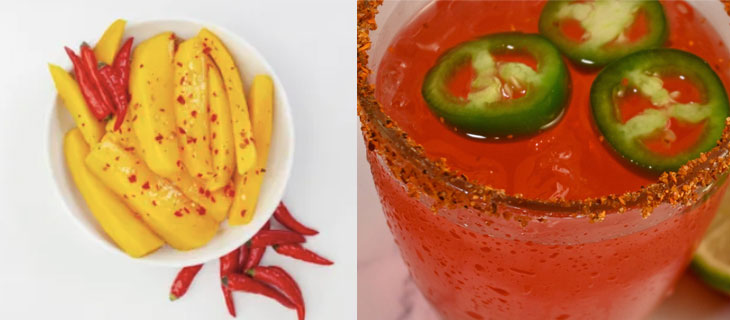
Think mango‑chilli, pineapple‑jalapeño, raspberry‑pepper and watermelon‑heat. It’s bold, bright, and backed by both flavour science and long‑standing culinary traditions.
A global idea with Gen Z energy
While the combination of sweet fruit and chilli is hardly new. Mexico, Latin America and parts of Asia have been doing it forever but Gen Z has repackaged it with a portmanteau name and a social‑media‑friendly attitude.
UK retailers and food platforms have jumped in, releasing fricy‑themed recipes and summer content. Mango‑chilli margaritas, pineapple‑raspberry jalapeño sauces… nothing is off‑limits. Ready meals, sauces, chocolate, ice cream — every category is fair game.
Ice cream veteran Josef Boni calls fricy “one of the most exciting developments” he’s seen in decades of judging and developing flavours.
Why fricy works: flavour science explains the magic
The appeal isn’t just trendiness, it’s neuroscience. According to Dr Ni Yang, associate professor in flavour science at the University of Nottingham, flavour perception is a three‑part system: aroma, taste and trigeminal sensation.
Fruity flavours hit quickly via volatile compounds and sweetness; chilli heat arrives later through capsaicin activating TRPV1 receptors linked to temperature and pain.
Put them together and you get a layered, multi‑sensory experience: sweet and fruity upfront, heat building over 20 seconds to a peak.
Research even shows that adding heat can make flavours more highly rated, with the natural sweetness and acidity of fruit helping balance the chilli, making the combination more enjoyable.
Capsaicin: the secret weapon
Capsaicin, the compound responsible for chilli heat, has no taste and no smell — meaning it can intensify the sensory experience without altering flavour.
It’s also linked to reward: once the heat subsides, consumers experience a sense of “having succeeded”, a psychological driver behind repeat consumption.
The challenge for formulators is getting the heat level right. In markets where chilli isn’t a staple, tolerance is lower — but Gen Z is more confident with heat thanks to global cuisine and street‑food culture.
And producers stress that chilli should never dominate; the sweet‑heat balance has to land correctly.
Popular ways to try the trend include:
- Craft cocktails: Bars are embracing “spour” (spicy and sour) drinks, using passion fruit or cherry mixed with hot peppers in spicy margaritas.
- Global condiments: Pantry sales for Japanese yuzu kosho (a fermented chili-citrus paste) and Mexican chamoy (a tangy mix of pickled fruit, lime and chilli).
- The classics: Mango dusted with Tajín or chamoy, fresh watermelon with chili flakes, or pineapple combined with jalapeño.
- Summer occasions — braais, picnics, outdoor eating — are driving strong interest in fruit‑and‑chilli sauces, dips and marinades. Pineapple sweet chilli, for example, works across multiple uses and fits the season’s demand for bright, fresh, vibrant flavours.
Why this matters for South Africa’s F&B sector
South African consumers are increasingly adventurous, globally influenced and eager for functional, sensory‑rich experiences. Fricy fits squarely into:
- Premiumisation (layered flavour, sensory reward)
- Global fusion (Latin American + Asian inspiration)
- Summer NPD (bright fruit profiles, versatile chilli formats)
- Gen Z engagement (social‑media‑friendly, playful naming)
For manufacturers, fricy offers a low‑risk, high‑reward innovation path: familiar fruits, accessible heat, and strong cross‑category potential.
Source: FoodNavigator.com: Read more here