



03 Feb 2026 Caffeine pouches: Emerging energy format
Caffeine pouches are emerging as a discreet, fast-acting energy format, along with a mouthful of health and regulatory concerns….
Caffeine pouches — discreet sachets placed between the lip and gum to deliver caffeine through oral mucosa — are gaining traction as a novel energy delivery format, driven in part by social media visibility and demand for portable alternatives to traditional caffeinated products.
In the US, interest has surged on platforms such as TikTok, and brands report robust consumer curiosity about this delivery system. However, as the category expands, industry stakeholders are weighing its commercial potential against health, regulatory and demographic concerns.
Although still relatively niche compared with energy drinks or coffee, the global caffeine pouch market is projected to grow significantly over the coming decade, with estimates suggesting a rise from approximately $71.3m to $107.2m by 2032.
Early data from consumer research conducted by producers in the US indicates high purchase intent among adult caffeine consumers, nearly half of those surveyed, underscoring latent demand.
In the UK, awareness remains lower but is climbing. Only around one-fifth of UK adults surveyed were familiar with caffeine pouches, and approximately one quarter expressed interest in trying them. Interest is notably higher among middle-aged consumers, suggesting a demographic gradient in early adoption.
Specialist retailers have reported rapid uptake of the format, with UK markets showing year-on-year growth in consumer usage rates.
Brands such as End, Belter, X-Booster, Fuze and Muse are now available via online marketplaces, and the category achieved a milestone with national roll-outs into mainstream retail — exemplified by a nationwide listing at WH Smith that signals increasing retailer confidence in the format’s commercial viability.
Positioning, demographics, regulatory & health considerations
Proponents frame caffeine pouches as a convenient, zero-calorie alternative to energy drinks that fits into modern lifestyles — appealing to segments such as busy professionals, shift workers, athletes and on-the-go consumers.
This positioning aligns with broader demand for clean and portable functional consumables that deliver predictable stimulant effects without the sugar or volume associated with liquid energy products.
Despite growing commercial momentum, the format is attracting scrutiny. Caffeine pouches sit in a regulatory grey area in markets like the UK, where they are neither classified as food nor as medicinal products, meaning they escape many standard labelling and age-restriction frameworks.
This contrasts with energy drinks, which have voluntarily restricted sales to under-16s in supermarkets, and highlights a compliance gap that regulators may seek to address.
Public health stakeholders have raised concerns about youth appeal — particularly given pouch flavourings and branding that can resemble energy drink cues — and the potential for high caffeine dosages to encourage overconsumption among sensitive groups.
Experts underscore that rapid mucosal absorption and variable caffeine strengths heighten risk if products are not accompanied by clear usage guidance and age gating.
For manufacturers and retailers, caffeine pouches represent both opportunity and challenge. There is clear appetite among adult consumers for portable, discreet energy solutions, and early distribution successes suggest the format could carve out a meaningful niche alongside energy drinks and coffee.
Yet the category’s long-term sustainability may hinge on regulatory clarity, responsible marketing practices and differentiation from nicotine pouch parallels — factors that will influence consumer trust and broader mainstream adoption.
SA adoption
Caffeine pouches are already present in the SA market, though they remain a relatively niche format and have not yet surfaced in major food & beverage category reports. For example:
- HICAFF Energy Pouches — tobacco- and nicotine-free, with about 100 mg caffeine plus taurine per pouch, positioned as an energising alternative to traditional stimulants. Read more here…
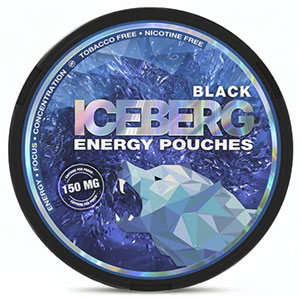
- ICEBERG Black Energy Pouches — high-strength versions with ~150 mg caffeine per pouch, aimed at consumers seeking a robust stimulant effect. Read more here…
- ICE caffeine pouches in flavours such as grape or menthol, marketed as sugar-free, on-the-go energy options. Read more here…
- Other variants like Hardy (~75 mg caffeine per pouch) and Wakey Hyper Charge (~50 mg caffeine) are also listed by local vape/novelty retailers. Read more here…
- Online distributors such as Pouch World explicitly list energy pouch SKUs alongside nicotine pouches, which suggests the format is established within niche “pouch” retail channels and may be expanding. Read more here…
Source: The Grocer, YahooNews