


03 Jun 2026 Tiger sells Beacon chocolate factory
Mooted some time ago, Tiger Brands has sold its Durban chocolate factory while holding onto several Beacon favourites …..
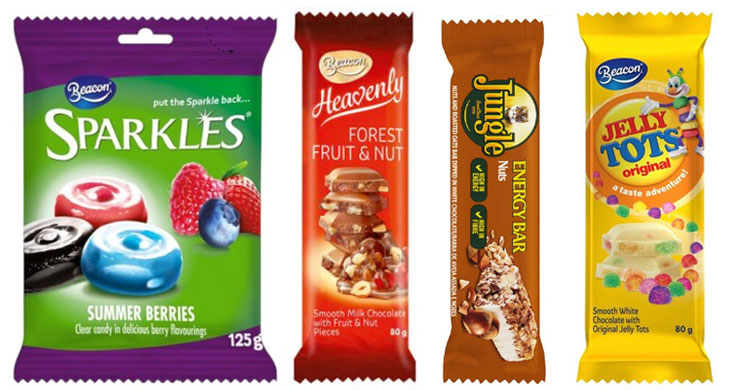
Tiger Brands has agreed to dispose of its Beacon chocolate slabs and Easter egg business, along with the Beacon brand itself as well as its factory, as part of a broader restructuring effort.
The decision reflects the high investment required to modernise outdated chocolate manufacturing facilities and the seasonal nature of Easter products.
Beacon, a 95‑year‑old brand acquired fully by Tiger in 1998, has struggled to keep pace with competitors such as Cadbury and Nestlé, largely due to equipment that has not been upgraded in more than three decades.
While the sale resulted in a R92-million impairment, Tiger expects to offset this with profit from selling the Durban factory where these products were made.
The company will retain other confectionery lines, including TV Bar, Nosh, Wonder Bar, Jungle Energy Bar and Maynard’s, which are considered strategic enablers of its “snackification” growth platform.
Jungle Bar, in particular, has become one of the top three countline products in South Africa, contributing strongly to profitability.
Consolidation and focus on mega brands
This move is consistent with CEO Tjaart Kruger’s strategy of rationalizing non‑core units and focusing on “mega brands” that deliver scale.
In the past two-plus years, it has disposed of its baby well-being division, non-core personal care brands (Bio Classic, Bio Crystal, Kair, Black Silk, Fiesta and Eulactol), its Randfontein maize and wheat milling unit, the Langeberg & Ashton Foods (canned fruit) operation, niche beverage brands, Game and Monis, as well as Chilean associate Carozzi and Chococam.
The company now concentrates on 15 major brands such as Albany, Tastic, Koo, All Gold, and Oros, most of which lead their categories in equity and volume.
Alongside the Beacon disposal, Tiger Brands is consolidating three Durban manufacturing sites in its snacks, treats, and beverages division into a single facility. This complex project is being undertaken while the company continues to produce jellies, candy, and mallows, which together accounted for 18% of revenue in the first half of the year.
Importantly, this division delivered stronger margins than the grains business, highlighting its role in driving profitability.
Kruger has emphasised the importance of simplifying the organisation and avoiding the mistakes of past decades, where diversification diluted focus. The company’s current portfolio is designed to prioritise scale, efficiency, and consumer relevance.
Source: Moneyweb.co.za; BusinessTech.co.za