
18 Jun 2026 Tiger building the largest factory of its kind in the Southern Hemisphere
Tiger Brands is betting big on scale — and its new “super bakery” could reset the economics of South Africa’s bread market….
Tiger Brands, now 105 years old, is deep into a structural overhaul that will reshape how it manufactures, procures, and distributes food across South Africa.
The centrepiece of this shift is a state‑of‑the‑art, R1bn super bakery rising on the East Rand (precise location unspecified) — that’s set to be the largest facility of its kind in the Southern Hemisphere.
The bakery is part of a broader move away from the company’s historically fragmented network of small plants toward centralised mega sites designed to unlock economies of scale across the entire value chain — not just production lines.
Tiger Brands’ executives have been explicit: scale advantages extend into procurement, raw‑material logistics, and national distribution, all of which become more efficient when consolidated into fewer, larger hubs.
CFO Thushen Govender says the company is now systematically merging facilities — for example, combining three Durban sites into one after the Beacon sale, and following a similar path at the Paarl mega site

CEO Tjaart Kruger likens the transformation to “changing the parts of the aeroplane while it is in the air” — a nod to the complexity of modernising a legacy manufacturer without interrupting supply to millions of consumers.
A flagship super bakery built for scale and efficiency
The new Johannesburg super bakery is the flagship of this strategy — a greenfield facility designed from scratch to optimise flow, automation, and cost efficiency. Unlike upgrading an old bakery, Tiger Brands can reorganise the entire production chain around scale from day one.
The numbers are eye‑catching. Once fully operational, the bakery is expected to:
- Produce 12,000 loaves per hour — more than three loaves every second
- Replace five to six older inland bakeries, consolidating capacity into one high‑efficiency site
- Cut conversion costs by 50% and eliminate R250 million in annual overheads
Completion is expected before the end of 2026.
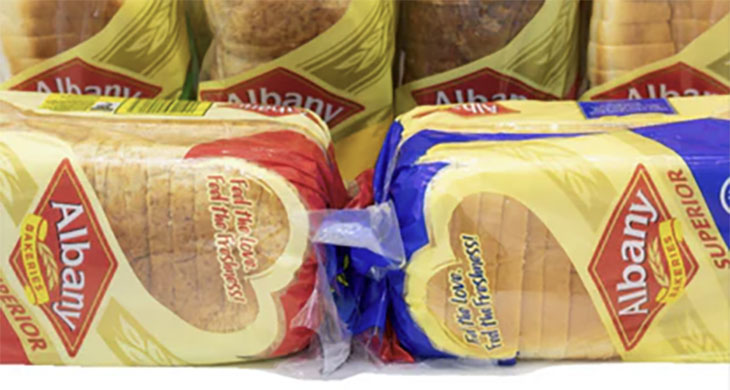
Through its Albany brand — founded in 1970 — Tiger already operates one of the largest baking networks in the world. The super bakery is intended to cement its position as South Africa’s lowest‑cost bread producer, a critical advantage in a category where affordability drives volume and loyalty.
Growth through affordability, innovation, and brand strength
Kruger has taken a deliberate stance on pricing: minimise price hikes, even if it slows revenue growth in the short term, to protect affordability across all income segments and regain lost market share.
Tiger Brands’ brands reach every corner of the income spectrum, and past assumptions about its pricing power have proved risky. The new strategy aims to avoid repeating that mistake by driving efficiency rather than relying on price increases.
The company is also investing in product innovation, particularly in breakfast foods under the Jungle brand, with a new porridge launch on the way. In personal care, the relaunch of Ingrams is aimed at strengthening its position in functional skincare — another reminder of the breadth of Tiger Brands’ portfolio.
Across its focus brands, Tiger Brands remains dominant in both volume and value share, with only Energade, Black Cat, and Ingrams not holding the top spot in their categories.
Source: Daily Investor