


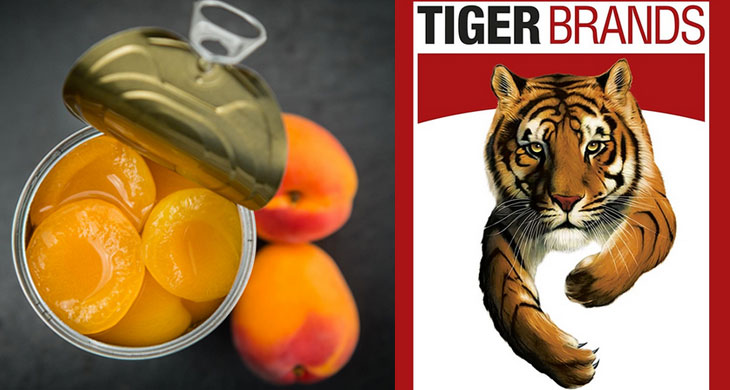
20 May 2025 Tiger Brands solves its canned fruit business dilemma
The sale for R1 (yes R1!) to a capable and committed consortium, which includes local fruit growers, paves the way for ensuring a sustainable business and protecting over 3 000 permanent and seasonal jobs.…
Tiger Brands has entered into a sale of business agreement to facilitate its exit from its deciduous canned fruit business, Langeberg and Ashton Foods.
The sale, which comes five years after Tiger Brands announced its intended exit, is to a newly formed company (Newco) established by a capable and committed consortium comprised of parties with a vested interest in the sustainability of Langeberg and Ashton Foods and a cooperative of fruit growers in the Ashton area and who bring agricultural sector expertise and insights.
Based in Ashton in the Western Cape, the iconic business provides employment to more than 3 000 permanent and seasonal employees and is an important contributor to the region’s economy.
The sale follows a strategic decision taken by Tiger Brands in May 2020 to exit the business to better align its portfolio with the Group’s stated vision.
The Consortium consists of the Ashton Fruit Producers Co-operative, as well as a development finance institution with a mandate for job creation, improving livelihoods and supporting the transition to net zero. The Ashton Fruit Producers Co-operative, established in 2020, is made up of member producers from the Robertson, Ceres, Breederivier and Klein Karoo areas.
Tiger Brands will sell the Langeberg and Ashton Foods business as a going concern to the NewCo for a total cash consideration of R1 (one Rand). As part of the sale, Tiger Brands will commit R150 million towards the establishment of a Community Trust that will benefit the broader Langeberg community through socio-economic development initiatives, which amount will be advanced upon implementation of the transaction.
The Community Trust will ultimately hold a beneficial interest equal to 10% shareholding in the NewCo, with the Consortium holding the balance of the equity.
“We are extremely pleased to announce this sale following an extensive search for a viable buyer over the last five years. Langeberg and Ashton Foods is an iconic business founded in 1940 and remains crucial to the economic heartbeat of the Langeberg area. Today’s announcement proves the company’s commitment to securing an outcome that is in the best interest of all stakeholders,” says Tjaart Kruger, CEO of Tiger Brands.
“The success of this sale will ensure the sustainability of the South African deciduous fruit industry and consequently improve the livelihoods of the Langeberg and Ashton Foods employees and the broader communities in these areas.
“Tiger Brands has been part of the Langeberg region and its communities for many decades. The establishment of the Community Trust is a notable milestone for the region, as Tiger Brands remains committed to the distribution of social and economic benefits to the community of Langeberg, long after our exit. This contribution is aligned with our purpose to nourish and nurture more lives every day,” says Kruger.
Langeberg and Ashton Foods is part of Tiger Brands’ International segment. It produces canned fruit and purees for export markets (greater than 80% of the business) and supplies the Tiger Brands Culinary Business Unit with canned fruit under the KOO brand, which is sold in the Southern African markets.
As part of the sale, Tiger Brands and NewCo will enter into a contract manufacturing agreement for the purchase of canned fruit under its KOO brand.
In line with its values of being a responsible corporate citizen, Tiger Brands will also complete an effluent plant upgrade with a further investment of R31-million, ensuring the operations continue to adhere to environmental regulations.
“The conclusion of the sale marks a significant milestone in Tiger Brands’ portfolio optimisation strategy and will enable management to deploy capital and drive focus on the core business that can deliver sustainable growth,” says Tjaart Kruger,
The sale of business agreement is subject to suspensive conditions customary for a transaction of this nature, including, but not limited to, obtaining the required approvals from the relevant Competition authorities. The sale is expected to be completed within the second half of this year…..
Tiger Brands: Read the full press release here

Comment from Ghost Mail
Tiger Brands is doing the responsible thing with the Langeberg & Ashton Foods business
This hasn’t been an easy issue to manage
Tiger Brands has finally figured out how to navigate the social-economic disaster that is the Langeberg & Ashton Foods business. If you’ve ever driven through Ashton (and over its unnecessarily fancy bridge), you’ll know that it’s a relatively small town that is largely dependent on this business for its economic viability. Employing over 3,000 permanent and seasonal staff, the impact on the surrounding area of its closer would be the severe.
Having said that, Tiger Brands also has a responsibility to all its stakeholders, including shareholders, which means they can’t hang onto a financially problematic business purely for social reasons. They are a for-profit company, not a governmental organisation.
Is there a happy medium? It seems so, with Tiger announcing the disposal of the business for a nominal R1 to a consortium of parties with a vested interest in the community and the viability of the business, including a local co-operative of fruit growers in the region. That sounds pretty sensible to me.
On top of this, Tiger Brands will commit R150-million towards establishing a community trust for the broader Langeberg Community, allowing that trust to beneficially hold 10% of the business. I’m not exactly sure how the back-end structuring is working, as the equity is being sold for a nominal value rather than R1.5-billion. And as a further commitment, Tiger will complete a R31-million effluent plant upgrade.
Either way, what definitely isn’t a nominal value is the extent of working capital required. This seasonal business sucks R900-million per annum in working capital, so offloading it will take pressure off the Tiger balance sheet.
In terms of the impact on Tiger’s supply chain, they will enter into a contract manufacturing agreement with the purchaser for canned fruit under the KOO brand. This is also critical to ensure the sustainability of the business.
Under the circumstances, it’s hard to see how a better outcome was possible.
Source: Ghostmail.co.za