


16 Feb 2025 The change agenda: plant-based meat steps up reformulation
Amid slowing sales and consumer concern over taste and ingredients, plant-based meat research teams are looking again at their recipes.…
For all the recent woes that have seen a number of brands and manufacturers go under, plant-based meat has arguably been the big category story in food in recent years – but R&D staff are being put to work to bolster flagging sales.
Fighting against a powerful meat industry, plant-based meat alternatives have carved out a place for themselves in supermarket chiller and freezer cabinets and in the shopping trolleys of consumers.
However, the slowing sales we’ve seen in the last 12 to 24 months in markets in North America and Europe raises the question of how often the products continue to appear in those trolleys. Beyond vegans and vegetarians, are so-called flexitarians or those who want to reduce their meat consumption returning to the plant-based meat category?
Criticism about price and taste, issues around product labelling and too many me-too products has had an impact, and now the category is facing what could be its toughest challenge yet – that of been seen as ultra-processed food (UPFs).
Health claims questioned
The meat industry argues that, far from being a healthier option, often plant-based meat alternatives have long lists of ingredients, many of which are unpronounceable additives, as well as high levels of salt and/or saturated fats.
As the scrutiny of UPFs has gained momentum and clean-label has become a mantra, many plant-based meat products have found themselves in the firing line.
Consumer attitudes – which feed through to retailer attitudes – seem to have changed from an approach that saw alternatives to eating meat, or too much meat, as being automatically healthier to one in which products are judged on their own attributes.
As research and analysis organisation GlobalData – Just Food’s parent company – said in a recent report on the broader plant-based protein sector: “The most popular reason that consumers stated they were motivated to try plant-based foods was the belief that they were healthier.
“However, from 2023 to 2024 the number of consumers across key markets who believed this had declined, indicating that the plant-based category’s image has become somewhat tarnished.”
It added: “Plant-based meat and seafood alternative brands have faced scrutiny in the last few years for being high in saturated fat and salt, and generally low in nutritional value.
“It can be concluded that a major contribution to plant-based meat’s decline is a growing consumer awareness that these alternatives were not the healthier swap for real meat and seafood that they initially thought.”
Its advice? “Brands will need to reformulate to accommodate a preference for natural, clean label, healthier products if the market is to recover.”
Reformulation work begins
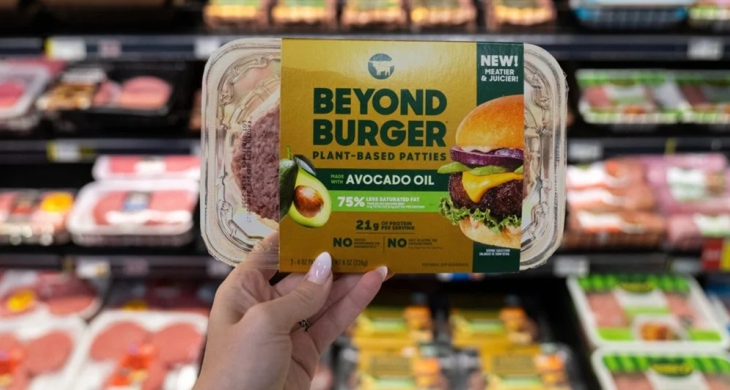
Last year, Beyond Meat, the US company that became something of a poster child for the plant-based-meat industry, launched the fourth version of its vegan burger and mince.
The company said the so-called Beyond IV recipes contain 60% less saturated fat and 20% less sodium than previous iterations. The biggest change was the replacement of canola and coconut oil with avocado oil which is higher in mono-unsaturated fats.
Such reformulation is costly, both in terms of R&D hours and re-branding. And success is not guaranteed. Once the product is re-designed, the question of whether the taste versus health equation is balanced comes to the fore.
As GlobalData said: “The difficulty for plant-based brands considering ‘cleaner’ formulations is that much of their products are highly processed to achieve satisfactory sensory enjoyment on a par with meat and seafood … given plant-based is meant to indicate a healthier alternative, brands must nevertheless find some way to reformulate…”
Read the full story here: Just Food