


01 Apr 2026 RCL Foods joins the pet food jamboree
Fur babies are driving growth in an important grocery category…..
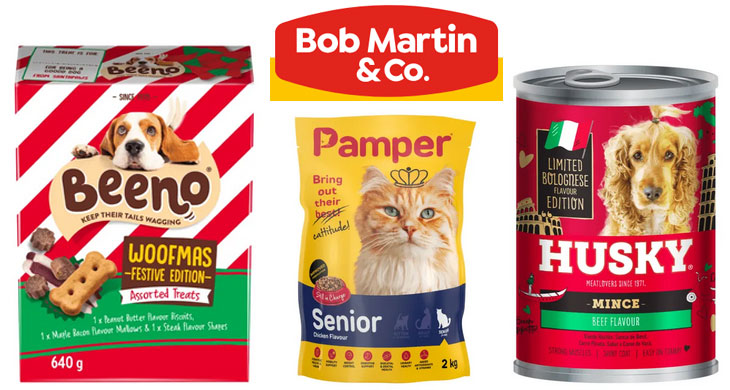
RCL Foods has announced the acquisition of Martin and Martin, a South African company that sells numerous pet food products under brands like Husky, Pamper, Beeno and Bob Martin.
These are household names and feature strongly in the pet aisle at your local grocery store.
Even in a tight economy, petfood remains one of the most resilient aisles in grocery retail. In fact, it’s often more exciting than the baby aisle these days, a sign of shifting demographics and priorities.
RCL talks about the “ongoing humanisation of pets” and a “community of pet parents” – a fancy way of saying that people keep spending more and more on their pets.
Interestingly, the seller is an offshore entity called Simrose, but there’s no disclosure on who the ultimate beneficial owners of the seller are. People clearly want their privacy when they are about to be paid a gigantic sum of money for their business.
How much? Well, the enterprise value of Martin and Martin is R695-million. EBITDA for the year ended December 2024 (quite outdated) was R75.2-million. Adjusted EBITDA for that period was R90.2-million.
RCL is paying a pretty serious multiple for this business, but they are getting their hands on extremely well known brands.
There are a number of conditions precedent, including regulatory approvals.
Trends driving the pet food category
This deal doesn’t exist in a vacuum. The broader South African petcare and food market has been quietly accelerating, shaped by the same forces driving global growth: premiumisation, functional nutrition, and a consumer base that reads petfood labels with the same scrutiny they apply to their own.
High‑protein formulations, cleaner ingredient decks, digestive‑health claims and targeted nutrition are no longer fringe — they’re expected. Local manufacturers have been upgrading facilities, investing in automation, and chasing export‑ready standards, while multinationals continue to eye the region as the continent’s most mature petcare hub.
Retailers, too, have been reshaping their strategies. Grocery chains have expanded their pet aisles, while specialist retailers and online platforms have carved out loyal followings with curated ranges and subscription delivery.
Petfood is bulky, predictable and high‑frequency — the perfect e‑commerce category — and South African consumers have embraced the convenience. The result is a market where brand loyalty is strong, but competition is stronger.
Functional treats, supplements and wellness‑adjacent products are also gaining traction. Vets report rising interest in joint support, weight management and hypoallergenic diets, and brands are responding with SKUs that blur the line between food and health.
Sustainability is creeping into the conversation too, with early experiments in recyclable packaging, alternative proteins and regenerative sourcing stories. It’s still a price‑sensitive market, but the signals are unmistakable.
Against this backdrop, RCL’s acquisition feels less like a bold leap and more like a calculated alignment with where the category is heading.
Owning a stable of iconic brands gives the company a platform to innovate, stretch into premium tiers, and compete more aggressively with both local producers and global heavyweights. There are still regulatory approvals to clear, but the strategic intent is obvious: RCL wants a bigger slice of one of the most emotionally sticky, recession‑resistant corners of FMCG.
Source: GhostMail