



29 May 2025 Food evolution in the face of GLP-1 revolution
The weight-loss drug revolution has arrived, and the food & beverage industry has begun to evolve in response to suppressed appetites, smaller servings and changes to consumers’ palatability preferences….. a matter of time before this is a global trend?
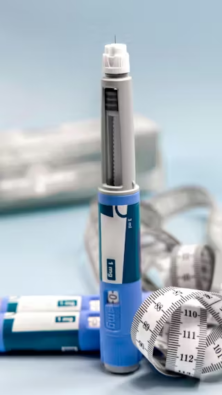
The day of reckoning for the food & beverage industry in the constant push-and-pull between eating healthy and overconsumption may be here, parading in on the backs of drugs originally designed to combat Type 2 diabetes: GLP-1 drugs.
GLP-1 drugs were originally used to help in the treatment of Type 2 diabetes; today, some are approved to help treat obesity as well. They work by mimicking the GLP-1 hormone, which is produced in the small intestine, in effect, “tricking” the body into slowing digestion, releasing more insulin and reducing appetite, hunger and ultimately the amount of food consumed.
And that last point is why food & beverage processors need to evolve.
For years, food manufacturers have had to adjust to the discovery and demand for healthier ingredients and diet fads, and the consumer demand changes they brought along — even misinformation around how food choices do (or do not) contribute to obesity and poor health [mismaligned MSG, Ed!].
Most of those challengers have come and gone, sometimes for better or worse, but almost always impacting the food and beverage products on the shelves.
GLP-1 drugs are the “next big thing,” but this time, things appear to be different. Yes, it’s still somewhat early in the process. In a December 2024 report, Circana addressed the impact of these drugs on food & beverage spending, noting several barriers still in the way of more widespread use of GLP-1s — from the fact that they’re costly and not covered by most insurance companies to some gastrointestinal side effects for some users.
Nevertheless, the industry has reached the point where denial must only be a river in Egypt.
Nobody knows for certain what the long-term effects of these drugs will be on health or whether consumer interest will fade in them. Right now, things are looking up for these medications: They very well may prove to be something of an obesity silver bullet, and at this point, companies that are not planning for reduced appetites and consumption, as well as different palatability demands, are falling behind.
The impact of GLP-1 drugs on grocery bills and eating out has already begun to show up.
A research paper published in December 2024 (and updated in February 2025) by the Cornell SC Johnson College of Business and Numerator put the writing on the proverbial wall for processors.
Researchers found significant shifts in food demand in households with at least one GLP-1 user. Grocery spending decreased by 5.5% within six months of starting on GLP-1 drugs, with higher-income households with a GLP-1 user having reduced their spending even more (8.6%).
Additionally, Circana’s report found a decrease in relative household spending on foods that are recommended to be avoided by GLP-1 users — spicy foods, fatty proteins, added-sugar beverages.
Meanwhile, spending on vegetables, eggs, nuts and other foods that support GLP-1 balance increased in comparison to non-GLP-1 users — and gum, mints and non-chocolate candy also got a boost, presumably to help users battle the side effects of bad breath and dry mouth.
What can ‘big food’ do?
Fortunately, as with any sea change, there are pioneers willing to step out and attempt to tame the wilderness before others. Numerous publicly traded food & beverage companies have commented on the anticipated effects of GLP-1 drugs in their annual reports, for example……
FoodProcessing.com: Read the full article here
Additional reading on this fascinating trend

Is this the end of obesity?
A “game-changing” Ozempic-style daily pill could transform global public health, experts have said.