


18 Jun 2026 Count down to SA’s new meat-analogue regulations
The new regulations relating to meat analogues intended for sale in South Africa (R 6436/2025) will be effective from 18 July 2026.
In July 2025, the long-awaited meat-analogue regulations were published, giving the plant-based industry guidance on the naming of their meat-alternative products.
After DALRRD issued a seizure notice for plant-based products using ‘meaty’ names three years prior (which was later reprieved by the High Court), it left the industry with more questions than answers.
Here is a summary of what R 6436/2025 includes:
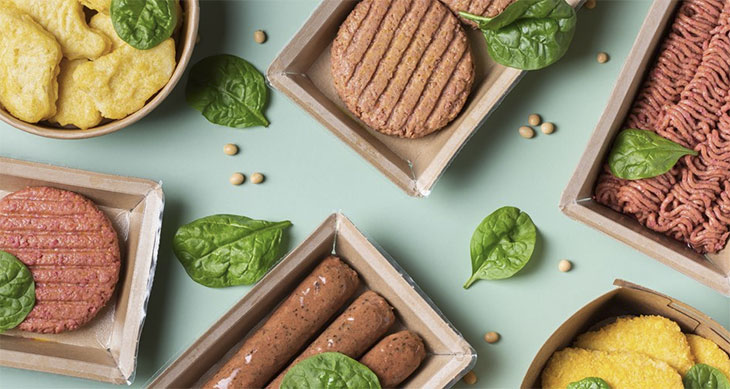
Meat analogues are defined as:
– made from non-animal ingredients (e.g. plant-based, algae-based, bacterial-based or fungi-based);
– mimicking the sensory qualities and/or nutritional or chemical characteristics of a specific type of meat product, and/or in general appearance, presentation and intended use corresponds to meat or a product made from meat;
– not containing ingredients or additives derived from animal origin; however, egg, milk and honey are allowed if the appropriate vegetarian claim is made.
Important note: if ‘vegan’ or ‘vegetarian’ is used, the product must comply with the requirements set out in the labelling regulations (R. 146/2010).
Read more here: Vegan labelling: Requirements & limitations
What names are allowed?
Meat analogues must be named according to the prescribed names specified in Annexure A of the regulation.
These prescribed names are all preceded by a descriptive name such as ‘plant-based’, ‘fungi-based’, ‘mushroom-based’, ‘vegan’, ‘veggie’ or ‘vegetarian’. However, these can be replaced by or used together with the name of the plant species or fungi species used, for example ‘soya burger’.
No indication (depictions or images) of animal species names, animal morphology or anatomy cut names may form part of the product name, or be used on the containers. This includes expressions such as ‘chicken-style’, ‘beef-style’, ‘chick’n’, ‘b*con’ or any similar wording.
Terms such as ‘burger’, ‘patty’, ‘sausage’, ‘mince’, ‘banger’, ‘polony’
If the product is formulated and intended to replace meat in products using these names:
– the product must contain a protein content of at least 9% as analysed;
– the product’s main panel must indicate ‘Meat replacer’ or ‘Meat substitute’ or ‘Meat alternative’ or ‘Plant-based protein’ or ‘Plant protein’ or any similar wording (without referring to the animal species).
Important note: if a protein-related claim is made, the conditions under the labelling regulations (R. 146/2010) must still be complied with.
Read more here: The Protein Evolution
Claiming ‘meat free’
The claim ‘meat free’ may be indicated on its own on the container of meat analogues, as long as the claim is not indicated –
(a) as part of the product name or in close proximity to the product name; or
(b) in letter size bigger than the letter size of the product name.
Important note: It is not permitted to make a comparison with, or reference to, the respective merits or demerits of meat, poultry meat, processed meat and raw processed meat products against meat analogues.
Is testing required?
Proving free-from animal origin: Testing is recommended to prove that the product does not contain ingredients and/or additives derived from animal origin, as per the regulation’s definition for meat analogues and the requirement for evidence by certain food safety certifications.
Once initial testing has been conducted, testing would be recommended periodically, or if anything changes (based on risk).
Ensuring protein content requirements are met: Testing is required to prove a minimum protein content of 9% for products intended to replace meat and using the names ‘burger’, ‘patty’, ‘sausage’, ‘mince’, ‘banger’ or ‘polony’.
For products using other names such as ‘griller’, ‘frikkadel’, ‘nugget’, ‘schnitzel’, a proven minimum protein content of 9% is only required if the product’s main panel indicates ‘meat substitute’, ‘meat alternative’, ‘plant-based protein’ or similar.
How can FACTS SA, source of this article, help?
Navigating these new regulations can feel overwhelming – but FACTS helps to make compliance simple. Here’s how it can support you:
- Vegan Food Screen – A single test that can be used to verify that products are free from animal-derived ingredients or additives, giving you peace of mind and evidence for authorities.
- Protein Content – FACTS coordinates protein testing through trusted labs and interprets the results for you in the context of the new regulations, so you know exactly what they mean for your product.
- Food Label Reviews – Ensure your labels meet all regulatory requirements under DALRRD, DoH, and DTIC regulations. We don’t just highlight non-compliances – we provide clear guidance on what to change and how.
- Product Development Support – From protein complementation strategies to nutritional advice and calculations, FACTS helps you optimise your formulations to meet your desired claims and nutritional goals.
Closing thoughts
The plant-based sector is evolving fast – and with regulation finally catching up, the cost of non-compliance is too high to risk.
FACTS brings the expertise, tools and tailored support you need to stay ahead. It can help you safeguard your brand, streamline your compliance journey, and unlock new growth in the meat analogue space.
FACTS SA Get in touch with them here
For an overview of the meat-analogue regulation, download this infographic here.