


27 Apr 2026 When reformulation backfires: ProNutro’s taste troubles
This iconic cereal brand is facing a huge consumer backlash — and PepsiCo is now in damage‑control mode…..
For more than 60 years, ProNutro has held a rare position in SA food culture: a nutraceutical cereal with heritage status and cross‑generational loyalty – and that’s why the public revolt over its “new generation” formulation is evolving into an intense consumer saga.
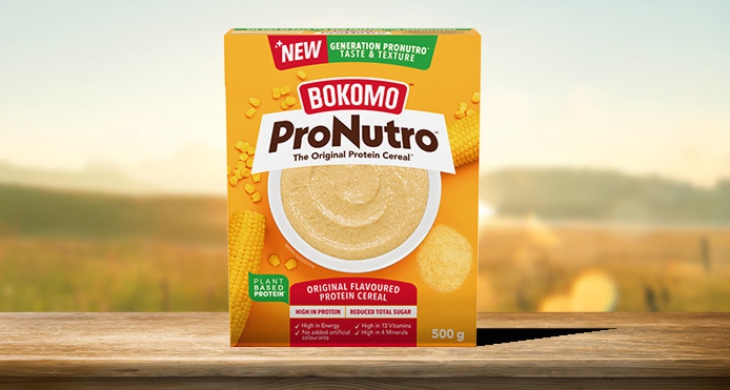
PepsiCo, owner of the Bokomo brand, says the reformulation was driven not by marketing ambition but by necessity. The machinery used to produce ProNutro had become obsolete, and replacing it like‑for‑like would have been “cost‑prohibitive” and would have pushed the cereal’s price “far beyond what consumers could reasonably afford” .
Joburg-based food scientist Nigel Sunley, who headed R&D on ProNutro back in the day and ran the East Rand factory which manufactured it for several years, confirms this. The iconic cereal was made using a complicated and very energy-intensive process called roller drying, he said, which has become increasingly outdated and costly to use.
“The process imparted a unique flavour and texture to the product, but even back then it was becoming hard to source replacement equipment,” he said. “I suspect they have moved to a process using cooker-extruders, which is much simpler and far less water and energy-intensive.”
PepsiCo maintains that the new product retains the same plant‑based protein base, the same 13 vitamins and four minerals, and even delivers reduced total sugar per serving. It also dropped the whole‑wheat variant due to long‑term sales decline, saying it “did not make commercial sense” to continue producing it.
But none of that has softened the blow for loyalists.
Consumer backlash
Across TikTok, Facebook and community groups, long‑time ProNutro fans have slammed the new taste, texture and aroma — describing it as “strange”, “chemical”, “lumpy”, and “borderline inedible”. Even children, historically a core consumer group, are rejecting it outright, according to multiple posts highlighted in a News24 report.
Here’s what consumer queen, Wendy Knowler on News24, had to say: “The company’s execs admitted to me this week that they weren’t expecting the extent of the vehement push-back to their ‘new generation’ ProNutro, which hit the shelves in recent weeks.
“Suddenly, the cereal that generations of South Africans have breakfasted on since 1962 was gone: inside the familiar box was something totally unfamiliar.
“It’s finer in texture and very weird-smelling, they said. It’s lumpy, hence the ‘whisk it’ instructions on the side panel of the box, and the flavour is totally different.
“In short, devotees of the original ProNutro hate it. Yes, that’s a sweeping statement, but I have yet to see a positive comment.”
One of the most pointed criticisms is that PepsiCo did not adequately consult real ProNutro consumers before making such a drastic change. PepsiCo disputes this, saying it conducted “substantive national consumer testing” with more than 300 adults across Gauteng, KZN and the Western Cape — half existing ProNutro users and half non‑users — to ensure balanced feedback.
However, the company confirmed that no children were included in the testing sample, citing internal policy to avoid research involving minors . That omission is now a flashpoint, given how strongly children appear to be rejecting the new product.
PepsiCo’s mitigation plan
With public sentiment running hot, PepsiCo has begun outlining how it intends to stabilise the situation.
The company is emphasising the sustainability gains built into the new formulation and production process — including targeted reductions of 12.7% in CO₂ emissions, 12.8% in packaging, and 6.7% in water usage . These metrics form part of its broader PepsiCo Positive (pep+) agenda and are now being positioned as a key rationale for the change.
While PepsiCo has not indicated any intention to revert to the old recipe, it is signalling openness to continued consumer feedback and is actively communicating the reasons behind the reformulation.
Packaging has also been updated to “explicitly highlight” the change in consumer experience, which the company says is part of its transparency strategy.
In a Facebook post on its official account, PepsiCo apologised to South Africans for changing its fan-favourite formula.
It shared: “Change isn’t easy, especially when it involves something you love. The change on ProNutro has been challenging, and we understand the disappointment it’s caused. While the fundamental texture won’t change back, we are working on improving the mixability for a better experience.
The cereal brand revealed that it would temporarily halt production to fix its formula.
It continued: “You may not see us on the shelf for a little while as we focus on these improvements, and this time, we promise to keep you updated along the way.
“Thank you for sharing, for caring, and for giving us the chance to do better. We’re listening”.
What happens next
South Africa has a history of forcing big FMCG players to reverse unpopular reformulations — Unilever’s recent U‑turn on its Sunlight green bar being the most prominent example . Whether ProNutro joins that list will depend on how quickly PepsiCo can rebuild trust, and whether the backlash translates into sustained sales decline.
For now, the saga is a sharp reminder of the risks inherent in modernising heritage brands — especially those woven into the country’s breakfast DNA.
Last word to Wendy Knowler: “PepsiCo has acknowledged the issue and is working to further improve the recipe.
“While they can’t go back to their old machinery, what they are doing urgently is trying to tweak the recipe, trying to get the texture better because the lumps are a no-go for so many people, especially children.
“There is a little hope, but unfortunately for ProNutro devotees, the old one ain’t coming back,” she said.
Source: News24.com, EWN