


30 Jan 2025 US: The FDA bans Red 3 from foods
As hinted at for some time ago, the agency agreed with a 2022 consumer petition that the colour additive does cause cancer in lab animals. The ban begins in 2027.
The US FDA (Jan 15) gave notice it is revoking the authorisation for the use of FD&C Red No 3, responding to a 2022 colour additive petition from the Center for Science in the Public Interest (CSPI) and 23 other signatories.
The ban will go into effect Jan 15, 2027, and Jan 18, 2028.
Despite the two-year wait, the ban rested on a simple “matter of law.” The 1960 Delaney Clause of the Federal Food, Drug, and Cosmetic Act (FD&C Act) stated that no chemical additive can be used for food if it’s found to induce cancer in humans or animals.
There was a considerable body of evidence that Red 3 caused cancer in lab rats, but the FDA said that mechanism does not occur in humans, and the amounts used in the tests were extraordinarily high.
Nevertheless, the FDA itself banned its use from cosmetics in 1990 but did not prohibit it in food. It’s also been connected to hyperactivity in children.
Red 3, also known as erythrosine, and which gives certain foods and drinks a bright, cherry-red colour, is restricted as a food additive in the EU, China, the UK and South Africa, and its use is limited in Australia and New Zealand.
Jim Jones, FDA’s Deputy Commissioner for Human Foods, told a senate hearing on Dec 5, 2024, an agency decision on banning Red 3 would be coming soon.
CSPI and the other supporters on the petition – including Breast Cancer Prevention Partners, Center for Environmental Health, Center for Food Safety, Consumer Reports and Environmental Working Group – have been relentless in pressuring the FDA to act. Perhaps the final straw was the California legislature’s ban of the colourant, along with three other additives, effective Jan 1, 2027.
In the past, Red 3 was used in hundreds of food products, but its use has been waning as a ban looked likely, consumer fear increased and natural replacement colours emerged.
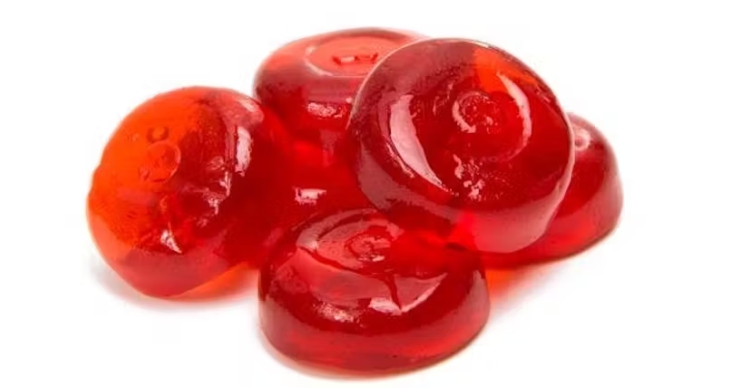
This FDA announcement acknowledged it’s still used in some as candies, cakes and cupcakes, cookies, frozen desserts and frostings and icings, as well as certain ingested drugs.
Source: Food Processing