


17 Jun 2026 Surplus stock is becoming smart business
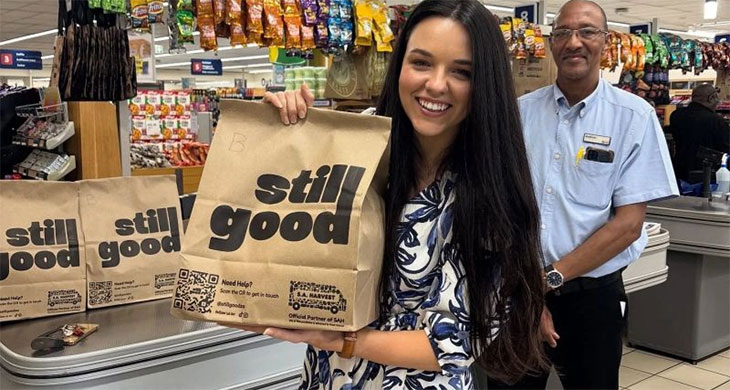
Surplus groceries are going digital in South Africa, with start-ups like Still Good helping retailers shift near-expiry stock at steep discounts while cutting food waste….
Food-price inflation and consumer belt-tightening have created fertile ground for surplus grocery platforms.
Still Good, launched in 2025, lets shoppers reserve discounted stock from chains like Pick n Pay, SPAR and Food Lovers Market, then collect before closing.
Discounts can reach 65%, and in its first six months the platform claims to have saved shoppers nearly R4-million. With over 80 000 registered users and more than 100 000 active monthly users, the appetite is clear.
For retailers, this isn’t just about clearing shelves — it’s about reducing waste, recovering value, and building goodwill. The collect-only model keeps costs down, while the platform takes a small commission per sale. More detail on the launch can be found at TechCentral.
Appropriate tech for the market
Instead of a native app, Still Good runs as a progressive web app (PWA). This choice reflects the realities of SA’s mobile market, where many consumers use budget Android devices with limited storage and data concerns.
The PWA installs straight from the browser, sends real-time notifications when stock is loaded, and uses smart caching to keep performance smooth.
For the drinks and food sector, this is a reminder: tech choices must match consumer realities, not just global trends.
Others in the game
Still Good isn’t alone. Rivals like Refreshi and JustNow are experimenting with similar models, while international players such as Too Good To Go (Denmark) and Flashfood (Canada) have proven the concept abroad.
What sets Still Good apart is its online-only, collect-at-store model, which avoids delivery costs and logistics headaches.
The company has also expanded into The Goods Marketplace, selling surplus non-perishables — think cleaning products, batteries and electronics — delivered via locker networks. This diversification shows how surplus platforms can evolve into broader discount ecosystems.
What this means for food and drink businesses
For B2B players, the rise of surplus grocery platforms signals several opportunities:
- Waste reduction: Partnering with platforms can help cut disposal costs and improve sustainability metrics.
- Consumer loyalty: Offering discounted surplus stock builds goodwill and positions brands as socially responsible.
- Revenue recovery: Even small commissions or reduced margins are better than zero return on expired stock.
- Innovation partnerships: Collaborating with tech start-ups can open new channels and insights into consumer behaviour.
As South Africa grapples with food inflation and waste, surplus grocery platforms are likely to expand further.
For drinks and food businesses, the message is clear: embrace surplus as strategy, not just salvage.
Whether through direct partnerships, white-label solutions, or in-house innovation, the sector has a chance to turn waste into value… and consumers are ready to buy in.
Source: TechCentral, for more on global food waste solutions, see Too Good To Go and Flashfood