
30 Mar 2026 GLP‑1 sales are exploding in SA – but access remains sharply unequal
Public health website, Spotlight’s deep‑dive into the market shows a sector expanding at extraordinary speed, even as affordability and access lag far behind.…
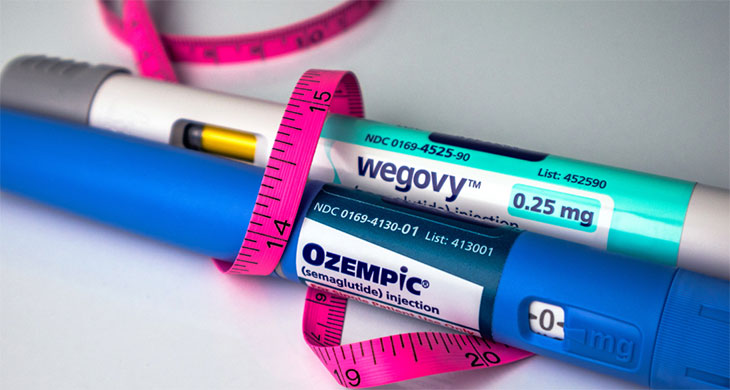
South Africa is in the middle of a GLP‑1 boom. Weight‑loss and diabetes medicines such as Ozempic, Wegovy and Mounjaro have surged in demand, mirroring global trends – yet their high cost and limited medical‑scheme coverage mean they remain out of reach for most.
GLP‑1s – a class of medicines originally developed for diabetes but now widely used for weight loss – have become some of the fastest‑growing pharmaceutical products in the country.
Ozempic, launched locally in 2021, jumped from the 170th to the 12th biggest driver of medical‑scheme spending in just one year. Wegovy, the weight‑loss‑specific formulation, entered the market in 2025.
Mounjaro, Eli Lilly’s tirzepatide product marketed locally by Aspen, has grown even faster. According to Aspen, Mounjaro became South Africa’s single largest pharmaceutical product by sales in November 2025 – an extraordinary milestone in a market typically dominated by chronic‑disease medicines.
Demand is rising, but access constrained
Despite the hype, GLP‑1s remain inaccessible for most people who could benefit. They are not available in the public sector, and private‑sector access is limited by cost and restrictive medical‑scheme rules.
A maintenance dose typically costs between R3 000 and R6 000 per month – and often more. Medical schemes are required to cover diabetes care, but not necessarily GLP‑1s, and only fund them under strict clinical criteria. For obesity treatment, coverage is even more limited because obesity is not classified as a prescribed minimum benefit condition.
Clinicians and obesity‑medicine specialists argue that this creates a major treatment gap, especially as obesity rates continue to rise. New clinical guidelines published by the South African Metabolic Medicine and Surgery Society (SAMMSS) in late 2025 recommend GLP‑1s as part of comprehensive obesity care, but implementation depends on affordability and reimbursement.
Generics are coming – but not immediately for SA
Globally, the GLP‑1 landscape is shifting as patents begin to expire. Generic semaglutide is expected to enter markets such as Brazil, China, India and Canada during 2026. Aspen is among the companies preparing to launch biosimilar semaglutide internationally.
However, South Africa will wait longer. Novo Nordisk’s core semaglutide compound patent expires only in 2027, and additional patents may still be used to delay generic entry.
Tirzepatide patents extend even further, into the 2030s, meaning Mounjaro generics are many years away.
For now, GLP‑1s remain a high‑cost, high‑demand category with limited reach. Their rapid uptake among wealthier consumers highlights both the scale of unmet need and the inequities embedded in South Africa’s health‑financing system.
But the arrival of generics from 2027 could reshape the market dramatically – lowering prices, expanding access, and potentially shifting national obesity‑treatment strategies. Until then, GLP‑1s will continue to grow in visibility and influence, even as most South Africans remain priced out.
Spotlight: Read the full article here